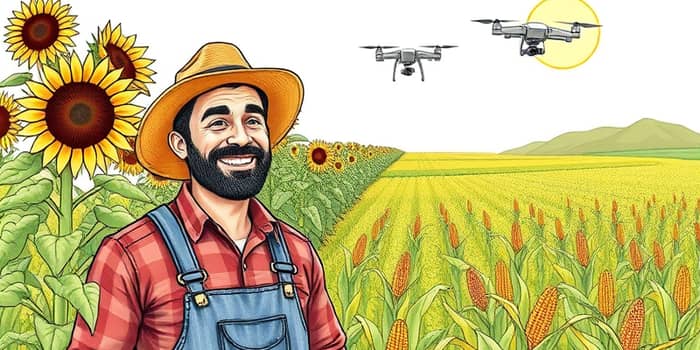
Farming is more than just planting seeds; it is a strategic endeavor to maximize returns. In an era of increasing challenges, from climate change to market volatility, adopting smart methods can turn agriculture into a profitable venture.
This article provides a detailed roadmap to enhance productivity, sustainability, and income, drawing from proven techniques and real-world examples.
By integrating these strategies, you can create a resilient farm that not only survives but thrives, ensuring a bountiful harvest year after year.
The Foundation of Soil Health
Healthy soil is the cornerstone of any successful farm. Practices like crop rotation can significantly improve soil structure and fertility over time.
For instance, alternating crops such as rapeseed with wheat can enhance nutrient availability and reduce pest cycles. crop rotation breaks disease cycles effectively.
- Rotate crops in multi-year cycles to prevent soil depletion.
- Use legumes to fix nitrogen naturally, reducing fertilizer needs.
- Incorporate cover crops to protect against erosion and improve biodiversity.
These methods not only boost yields but also cut costs, making your farm more economical and sustainable in the long run.
Selecting the Right Seeds
Choosing seeds adapted to your specific soil and climate conditions is crucial for resilience. seed selection enhances adaptability to local environments.
Opt for varieties that tolerate drought, heat, or salinity, depending on your region's challenges. This ensures stable production even in adverse conditions.
- Research seed types suited to your soil's acidity and texture.
- Invest in climate-resilient varieties to mitigate weather risks.
- Test different seeds to find the best performers for your farm.
By doing so, you can increase crop success rates and reduce losses, paving the way for consistent profits.
Integrated Pest Management (IPM)
IPM combines natural and selective methods to control pests without over-relying on chemicals. natural predators reduce pesticide use significantly.
Strategies include using trap crops, encouraging beneficial insects, and timing plantings to avoid pest peaks. This approach promotes ecological balance.
- Implement biological controls like parasitoids and predators.
- Use staggered planting schedules to disrupt pest life cycles.
- Apply selective pesticides only when necessary to minimize environmental impact.
This not only protects your crops but also saves money on expensive synthetic inputs.
Efficient Water Management
Water is a precious resource, and smart irrigation can make a huge difference. precision irrigation conserves water effectively.
Monitor soil moisture and use systems like drip irrigation to deliver water directly to plant roots. This reduces waste and ensures optimal growth.
- Install sensors to track water needs in real-time.
- Plan irrigation based on crop-specific requirements.
- Adopt drought-tolerant crops to reduce water dependency.
Efficient water use lowers costs and enhances sustainability, contributing to overall farm profitability.
Embracing Precision Agriculture
Technology can revolutionize farming by providing data-driven insights. digital tools optimize resource allocation for higher yields.
Use soil mapping and sensors to apply fertilizers variably, targeting areas that need it most. Studies show this can increase yields by over 15% in extensive crops.
- Map soil zones to tailor fertilization and planting.
- Utilize drones and platforms for monitoring crop health.
- Analyze data to make informed decisions on inputs and timing.
This approach maximizes efficiency, reducing waste and boosting productivity.
Ecological and Organic Farming
Shifting towards organic methods can open up premium markets. certifications add value to products in niche markets.
Reduce chemical inputs and focus on natural fertilizers to improve soil health. This not only appeals to consumers but also cuts operational costs.
- Obtain organic certifications to access higher-paying buyers.
- Diversify with high-value crops like herbs or specialty vegetables.
- Use composting and manure to enrich soil organically.
Ecological farming enhances sustainability while tapping into growing demand for healthy, responsibly grown food.
Planning and Diversification
Strategic planning is key to managing risks and maximizing income. diversified crops spread financial risks across seasons.
Define goals, analyze soil and terrain, and create a planting calendar. Consider intercropping, such as growing corn with beans and squash, to use resources efficiently.
- Set clear objectives for consumption or sales.
- Calculate costs and revenues to plan for profitability.
- Rotate crops to prevent pest buildup and soil fatigue.
This ensures a steady income stream and reduces vulnerability to market or climate shocks.
Marketing for Success
Effective commercialization can turn a good harvest into great profits. direct sales build customer loyalty through quality.
Research market demand and explore channels like farmers' markets, restaurants, or cooperatives. Build lasting relationships by consistently delivering high-quality produce.
- Identify niche markets for organic or local products.
- Use social media to promote your farm and connect with buyers.
- Offer value-added products, such as jams or preserves, to increase revenue.
By understanding your market, you can command better prices and ensure steady sales.
Actionable Steps to Start Today
Begin by assessing your current practices and identifying areas for improvement. small changes yield big results over time.
Start with simple steps like testing your soil or researching local market trends. Gradually incorporate more advanced techniques as you gain experience.
- Conduct a soil analysis to understand nutrient levels.
- Attend workshops or seek advice from agricultural extensions.
- Invest in basic technology, such as moisture sensors, to monitor resources.
Remember, patience and persistence are vital; sustainable farming is a journey, not a destination. By adopting these strategies, you can cultivate not just crops, but a prosperous future for your farm.
Referências
- https://blog.agricolum.com/estrategias-agricolas/
- https://prismab.com/blog/5-estrategias-clave-para-aumentar-la-productividad-de-tus-cultivos/
- https://altinco.com/rentable-agricultura-ecologica/
- https://agrawdata.com/blog/planificacion-de-cultivos/
- https://www.grupo-idamar.com/planificacion-cultivos/
- https://www.loxamhune.com/5-estrategias-efectivas-para-optimizar-la-agricultura-intensiva/
- https://www.unia.es/vida-universitaria/blog/practicas-agroecologicas-clave-para-mejorar-la-biodiversidad-del-suelo-y-secuestrar-carbono
- https://eos.com/es/blog/agricultura-regenerativa/